

Async/Await in JavaScript - How It Actually Works and Why It Exists
How async/await works in JavaScript - async functions, await, error handling, parallel vs sequential execution, and the most common mistakes explained.
Error loading content
Related Articles
More insights you might enjoy
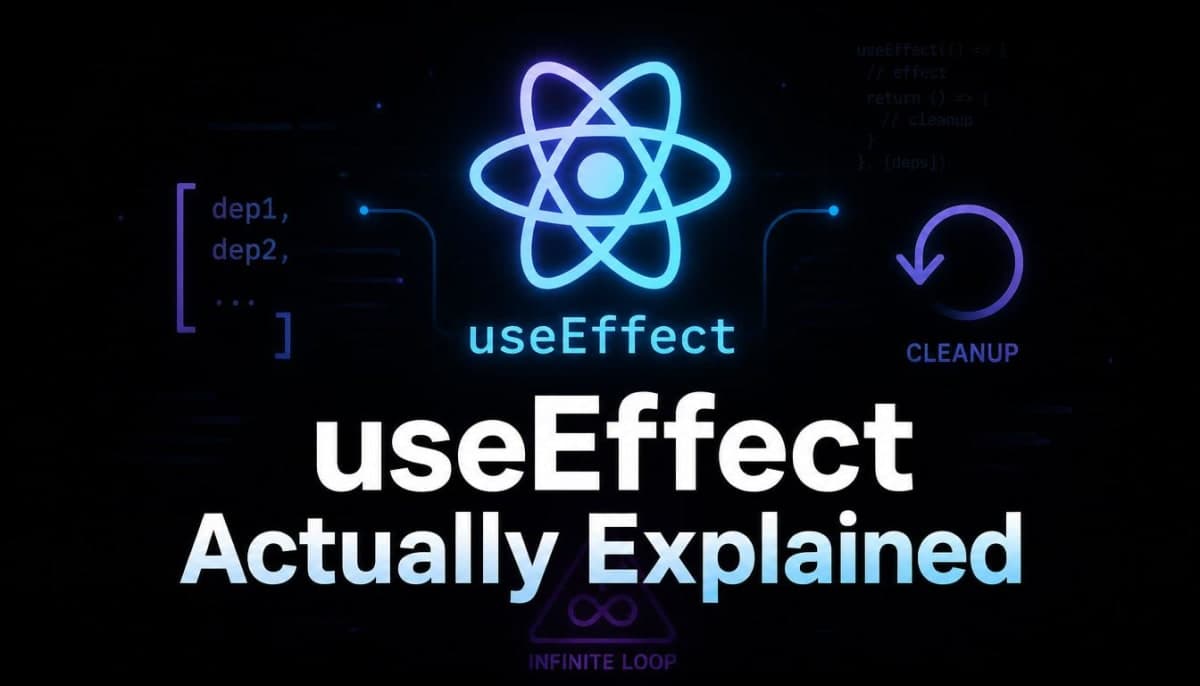
How React's useEffect Actually Works - And Why Developers Misuse It
useEffect is one of the most used hooks in React and also one of the most misunderstood. This guide covers the dependency array, cleanup functions, the double render, and common mistakes that cause bugs.

Node.js and Express.js - What They Are, How They Differ, and How They Work Together
Node.js and Express.js are not the same thing. This guide explains what each does, how they work together, and covers routing, middleware, and error handling with real code.
TypeScript vs JavaScript - What Is Actually Different and Should You Learn TypeScript
TypeScript and JavaScript are more related than most people think. This guide covers the real difference, core TypeScript features you need to know, and helps you decide whether to make the switch.
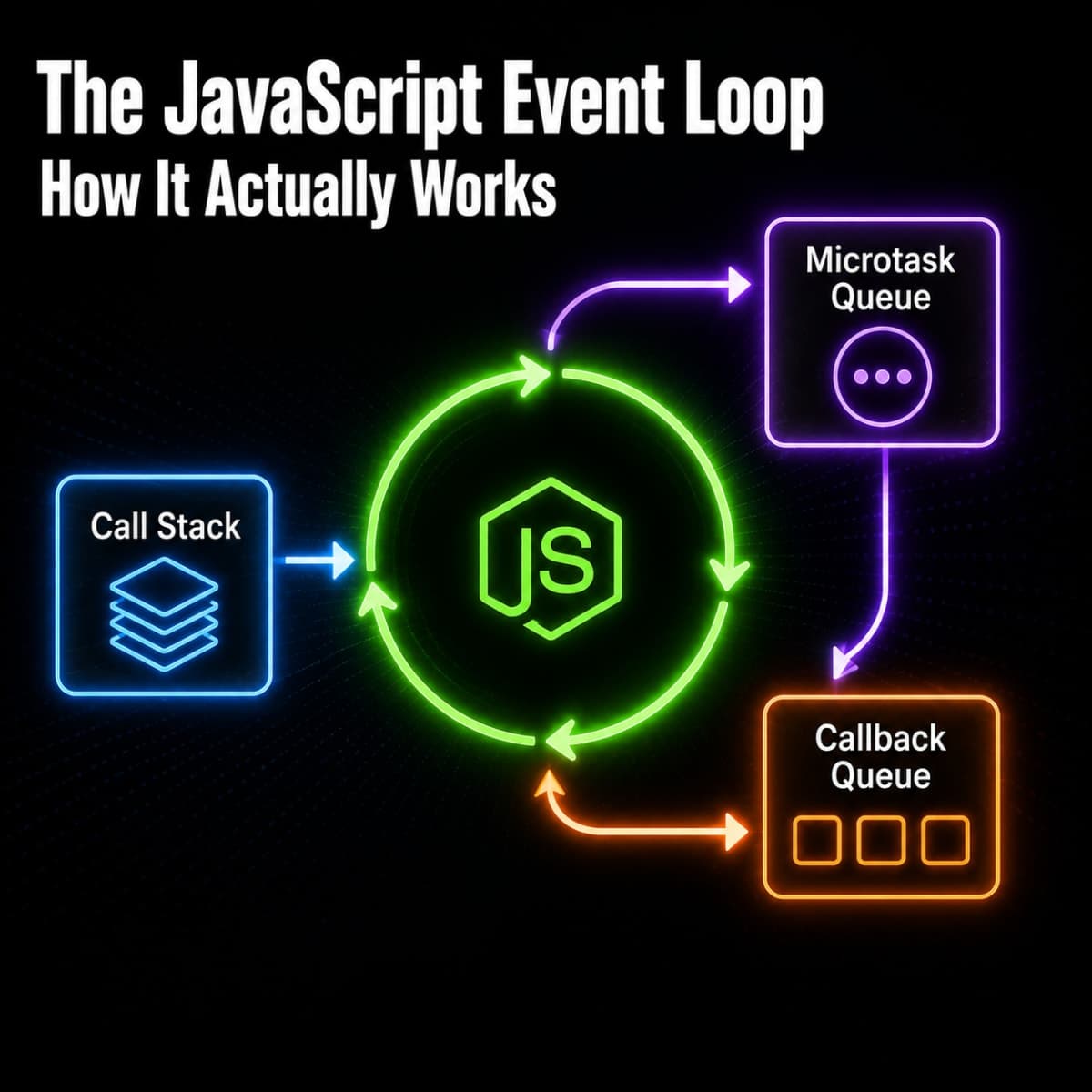
How the JavaScript Event Loop Actually Works - A Deep Dive
A complete deep dive into the JavaScript event loop - the call stack, callback queue, microtask queue, and how they work together to make async JavaScript possible.
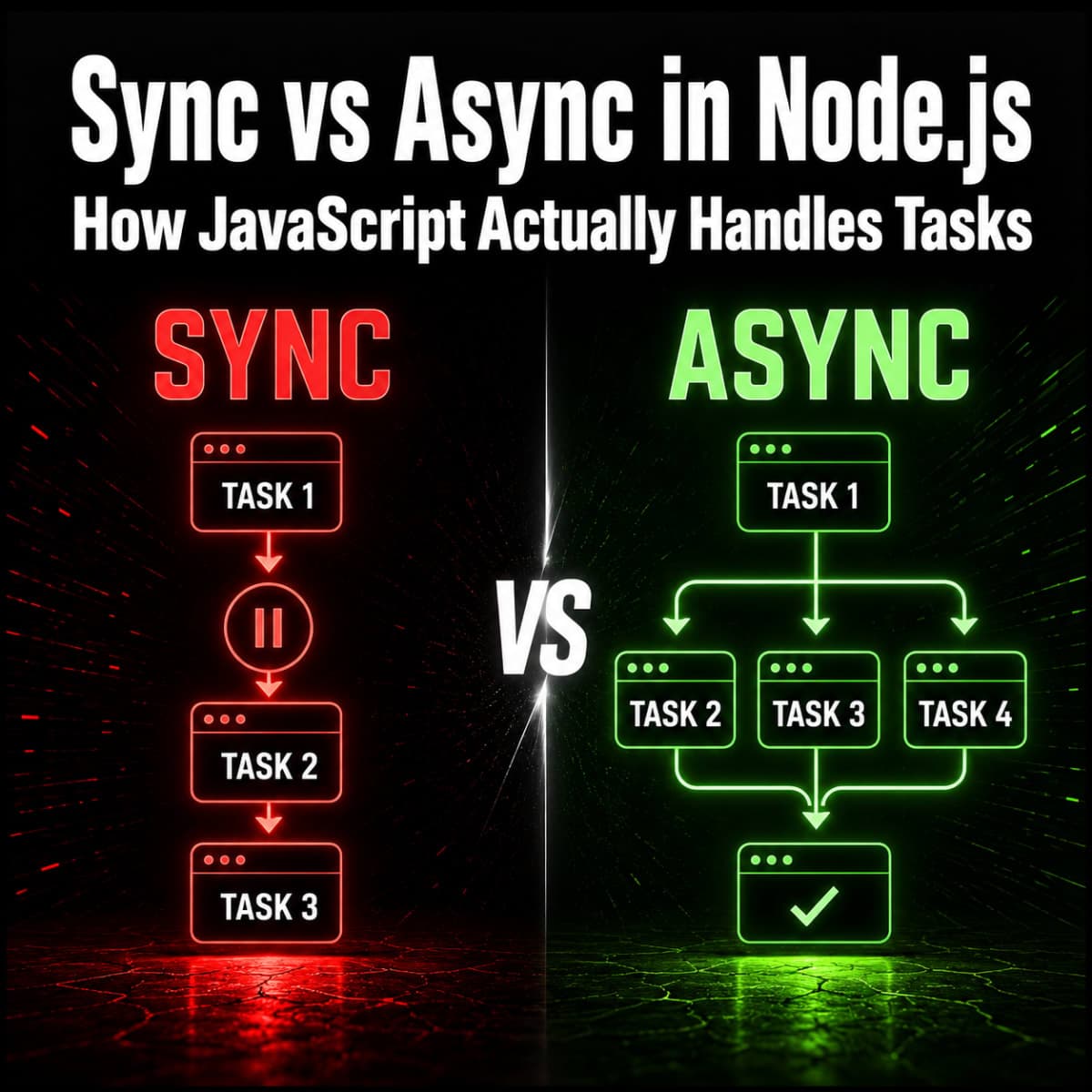
Synchronous and Asynchronous in Node.js - How JavaScript Actually Handles Tasks
One of the most important concepts in Node.js and one of the most misunderstood. Covers the event loop, callbacks, Promises, and async/await with real examples.

How JWT Authentication Actually Works - Explained Properly
Most developers use JWT without really understanding how it works. This blog explains what's inside a JWT, how signature verification works without a database call, and how to implement it properly in Express with refresh tokens and role-based authorization.
Comments
Sign in to join the conversation